
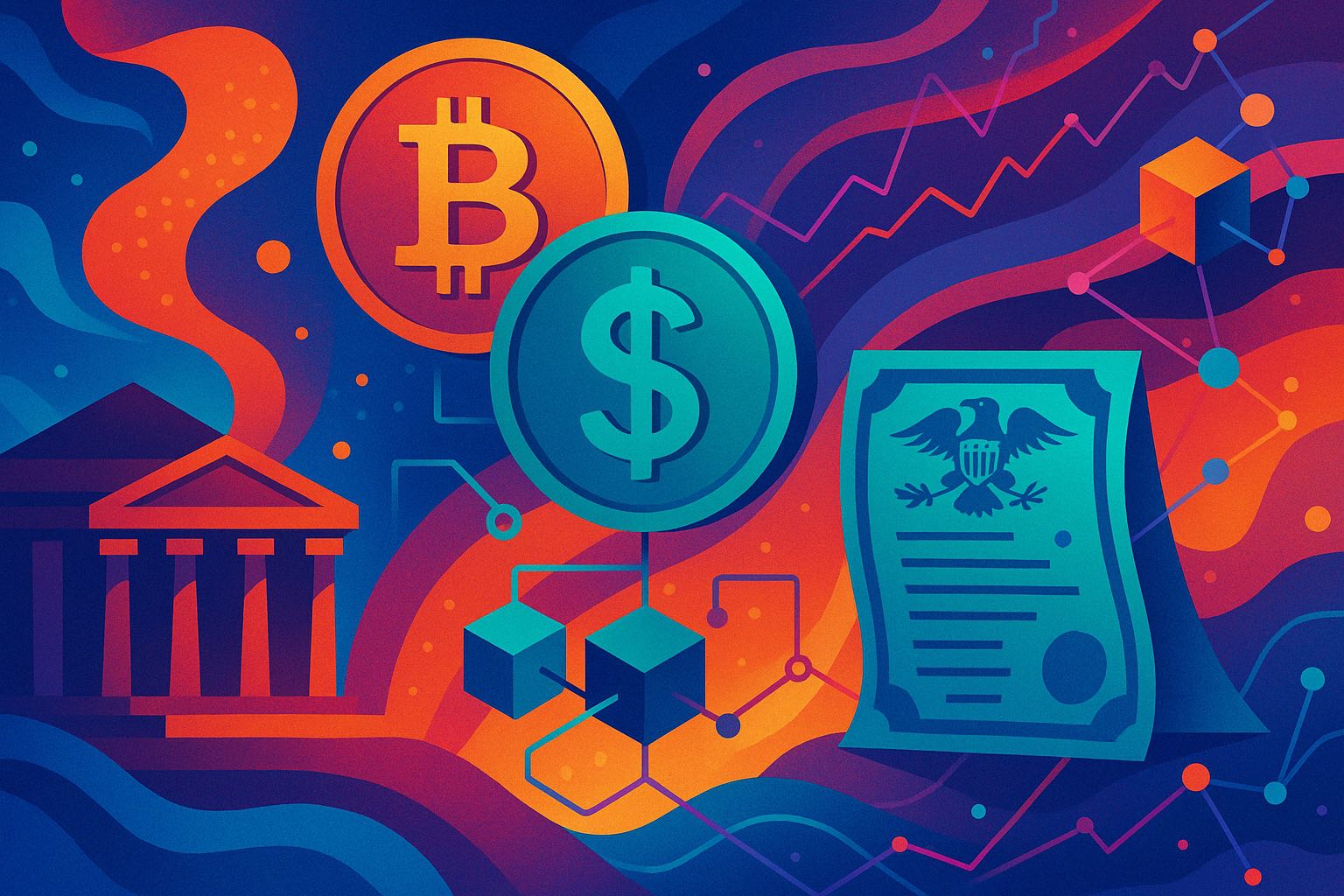
The global financial infrastructure is undergoing a massive, structural reallocation of trust. Traditional paper money and electronic fiat currency, long reliant on isolated banking networks and manual end-of-day reconciliations, are steadily giving way to a more efficient system. Tokenized banking is moving rapidly from isolated laboratory pilots into core financial pipelines.
This financial evolution goes far beyond online portals or faster consumer mobile apps. Tokenized banking is a complete overhaul of the foundational “plumbing” of the global economy. By converting fiat currencies and physical bank deposits into unique, programmable digital tokens secured by Distributed Ledger Technology (DLT) or blockchain, this shift alters how global liquidity is managed, transferred, and secured.
Understanding Tokenized Banking and Tokenized Cash
To appreciate why this shift is inevitable, it is necessary to examine how tokenized assets operate. Traditional electronic cash exists as simple accounting entries on the centralized, siloed ledger of a single commercial bank or processing entity. When an individual transfers money electronically today, banks do not actually move physical assets instantly; instead, they transmit electronic messages instructing each other to update their respective records. This process demands constant, costly interbank reconciliation and depends on a long chain of intermediaries.
Tokenized cash changes this framework by embedding the monetary value directly into a digital token asset on a shared blockchain network. In this environment, the transfer of the token is the legal settlement of the transaction. This dynamic is known as atomic settlement.
[Traditional Electronic Cash]
User A Account -> Interbank Messaging -> Clearing House -> Interbank Messaging -> User B Account
(Requires manual reconciliation, settlement delays, and multiple processing fees)

[Tokenized Banking Asset]
User A Digital Wallet ----> Direct On-Chain Atomic Settlement ----> User B Digital Wallet
(Instant, peer-to-peer, 24/7/365, zero reconciliation required)
The underlying technical architecture relies heavily on smart contracts—self-executing protocols with transactional rules written directly into the code. Money is no longer a static number on a spreadsheet; it has become smart software capable of executing complex financial logic automatically without requiring human oversight.
Tokenized Deposits versus Stablecoins and CBDCs
The digital currency ecosystem is divided into three distinct mechanisms, each serving different institutional and retail purposes.
                  ┌────────────────────────────────────────┐
                  │       The Digital Money Triad          │
                  └────────────────────────────────────────┘
                                      │
         ┌────────────────────────────┼────────────────────────────┐
         ▼                            ▼                            ▼
┌─────────────────┐          ┌─────────────────┐          ┌─────────────────┐
│   Stablecoins   │          │Tokenized Deposit│          │      CBDCs      │
├─────────────────┤          ├─────────────────┤          ├─────────────────┤
│• Private Issuers│          │• Regulated Banks│          │• Central Banks  │
│• Reserve Backed │          │• 1:1 Balance Sh.│          │• Public Tender  │
│• DeFi & Retail  │          │• Institutional  │          │• Sov. Backed    │
└─────────────────┘          └─────────────────┘          └─────────────────┘
The distinctions between these digital assets include:
A. Central Bank Digital Currencies (CBDCs)
CBDCs are direct liabilities issued by a sovereign nation’s central bank, functioning as a fully digital version of official legal tender. While projects like China’s digital yuan are actively expanding and the European Central Bank is progressing toward a digital euro framework, CBDC deployment is heavily centralized and strictly managed by public institutions to maintain domestic monetary sovereignty.
B. Private Stablecoins
Typically issued by non-bank private entities, stablecoins are digital tokens pegged 1:1 to a fiat currency (such as the US Dollar) and backed by separated reserve assets like short-term Treasury bills. Stablecoins are widely utilized to provide immediate liquidity across retail payment channels, international remittances, and decentralized finance (DeFi) platforms.
C. Tokenized Bank Deposits
Unlike stablecoins, tokenized deposits are digital representations of existing commercial bank deposits issued directly on a blockchain or controlled distributed network by fully regulated commercial banking institutions. Each token corresponds 1:1 to consumer funds, maintaining its position as a direct liability on the issuing bank’s balance sheet. This approach combines the transactional efficiency of DLT with the legal protections, clearing networks, and trust structures of the traditional commercial banking sector.

Structural Benefits of a Tokenized Financial System
The transition toward automated, tokenized money networks addresses several systemic vulnerabilities that have challenged traditional banking for generations.
┌─────────────────────────────────────────────────────────────────┐
│             Core Value Drivers of Tokenization                  │
├────────────────────────────────┐────────────────────────────────┤
│ Operational Efficiencies      │ Risk & Capital Optimization    │
├────────────────────────────────┼────────────────────────────────┤
│ • Elimination of interbank     │ • Atomic settlement reduces    │
│   bilateral reconciliations.   │   counterparty credit exposure.│
│ • Continuous 24/7/365 settlement│ • Fractionalization unlocks    │
│   bypassing business hours.    │   liquidity in illiquid assets.│
└────────────────────────────────┴────────────────────────────────┘
The structural advantages driving global institutional adoption include:
A. Elimination of Interbank Reconciliation
For decades, financial institutions have operated on fragmented, heavily duplicated accounting ledgers. Every commercial bank maintains its own independent record-keeping databases, expending significant administrative capital reconciling statements with clearinghouses and external counterparties. This design introduces operational risks, human error, and clearing delays. Distributed ledger systems provide a single, synchronized source of truth where all authorized participants view and verify an unalterable record of transactions, removing the need for manual bilateral checking.
B. Continuous 24/7/365 Atomic Settlement
Conventional payment rails, such as automated clearinghouses (ACH) or wire transfer networks, remain constrained by localized business hours, regional holidays, and batch-processing cycles. International transfers often take multiple business days to resolve completely. Tokenized payments on decentralized networks operate continuously, delivering near-instantaneous execution. This structure reduces settlement risk and lowers the expensive intraday liquidity buffers that multinational corporations must maintain.
C. Programmable Financial Execution and Smart Contracts
By embedding programmable smart contracts directly into the payment infrastructure, corporate entities can automate complex transaction workflows without manual intervention. For example, a global supply chain payment can be programmed to release automatically from a buyer’s corporate account to an overseas supplier the exact second the distributed ledger receives verified digital customs and delivery documentation. This programmatic capability streamlines trade finance and delivery-versus-payment (DvP) mechanisms.
D. Enhanced Fractionalization and Market Liquidity
Tokenization permits the division of high-value, historically illiquid physical and financial assets—such as real estate portfolios, fine art, venture capital funds, and private equity placements—into highly divisible digital tokens. This fractionalization lowers entry barriers, creating more competitive markets and enabling retail and institutional investors to diversify portfolios with assets that were previously difficult to access.
Leading Bank Implementations and Global Frameworks
Global financial entities are aggressively deploying proprietary token networks to enhance capital efficiency and improve cross-border corporate treasury functions.
┌─────────────────────────────────────────────────────────────────┐
│               Global Enterprise Implementations                 │
├───────────────────────┬─────────────────────────────────────────┤
│ Institution / Project │ Operational Functionality               │
├───────────────────────┼─────────────────────────────────────────┤
│ Kinexys (JPMorgan)    │ Real-time corporate treasury cross-     │
│                       │ border settlement and liquidity routing.│
├───────────────────────┼─────────────────────────────────────────┤
│ HSBC                  │ Multi-asset tokenized deposit networks   │
│                       │ for immediate international intra-firm  │
│                       │ capital movement.                       │
├───────────────────────┼─────────────────────────────────────────┤
│ GBTD (United Kingdom) │ Sovereign private sector consortium for │
│                       │ digital British Pound tokenization.     │
└───────────────────────┴─────────────────────────────────────────┘
Prominent initiatives shaping the digital asset landscape include:
A. Kinexys by JPMorgan Chase
Formerly known as the JPM Coin platform, this network represents a major corporate application of institutional tokenized deposits. Kinexys enables multinational enterprise clients to transfer substantial liquidity across global corporate divisions instantaneously at any hour, bypassing traditional clearing delays and optimizing treasury operations.
B. HSBC Digital Tokenized Deposit Services
HSBC has developed private tokenized deposit infrastructures explicitly designed to move corporate funds across international jurisdictions and cross-border bank affiliates. This network bypasses standard transactional operating hours, ensuring capital remains highly mobile.
C. Great British Tokenised Deposit (GBTD)
Led by UK Finance, this private-sector consortium focuses on testing and engineering pound-denominated tokenized deposit rails. The project ensures the United Kingdom’s financial infrastructure remains competitive in the digital asset landscape.
D. German CBMT Framework
The Commercial Bank Money Token (CBMT) project in Germany serves as an interbank initiative designed to establish standardized, compliant corporate payment systems using tokenized digital money backed by industrial and banking consortiums.
Critical Challenges, Operational Risks, and Headwinds
Despite clear operational benefits, moving from conventional electronic banking to a tokenized model introduces unique technical, legal, and systemic challenges.
┌─────────────────────────────────────────────────────────────────┐
│              Systemic Risks in Real-Time Finance                │
├─────────────────────────────────────────────────────────────────┤
│ [Liquidity Stock Management]                                    │
│ End-of-Day Netting -> 24-Hour Buffer Window -> Managed Outflows │
│                                                                 │
│ [Real-Time Flow Liquidity]                                      │
│ Continuous Settlement -> Instant Capital Demands -> Risk of Run │
└─────────────────────────────────────────────────────────────────┘
The key challenges impacting market adoption include:
A. Shift From Stock-Based to Flow-Based Liquidity
Traditional banking relies on end-of-day netting cycles, allowing institutions multiple hours to balance accounts, smooth out sudden liquidity demands, and manage cash outflows. In a 24/7 atomic settlement environment, liquidity management shifts to a continuous, flow-based model. Financial institutions must monitor and manage cash flows in real time, as sudden, large capital demands can strain reserves if not balanced immediately.
B. Amplified Procyclicality and Automated Cascade Risks
When financial contracts, margin adjustments, collateral management rules, and debt covenants are governed entirely by automated code, market movements can trigger immediate programmatic responses. For example, a sudden drop in an asset’s market price could cause smart contracts to automatically liquidate collateral or issue margin calls across multiple networks simultaneously. This automation risks compounding market volatility and accelerating price declines during periods of economic stress.
C. International Regulatory Fragmentation
The legal treatment of digital assets remains highly fragmented globally. In the United States, legislative efforts like the GENIUS Act seek to clarify the legal standing of digital stablecoins and private-sector digital assets. In contrast, European authorities prioritize strict compliance frameworks via the Markets in Crypto-Assets (MiCA) regulation. This lack of international regulatory harmonization creates operational friction for multinational banks attempting to transfer tokenized assets across jurisdictions, as compliance rules, settlement definitions, and bankruptcy laws vary by region.
D. Smart Contract Vulnerabilities and Oracle Failures
In an infrastructure governed by code, the nature of systemic risk shifts from institutional balance sheets to the underlying technology platform. Soft spots or errors within a smart contract’s code can expose the network to exploitation. Furthermore, decentralized financial networks depend on “oracles”—external data feeds that supply real-time market pricing to smart contracts. If an oracle feed delivers inaccurate information due to a technical glitch or deliberate manipulation, it can trigger erroneous automated liquidations across the ecosystem.
The Ultimate Paradigm Shift: Money as Programmable Software
The transition from physical cash and legacy electronic ledgers to tokenized banking is not a temporary trend; it represents a fundamental modernization of global financial plumbing. By converting fiat money into programmable software, the financial sector is breaking down traditional barriers between payment networks, clearinghouses, asset custody, and capital markets.
As regulatory frameworks mature and interoperability across private banking networks improves, tokenized deposits will increasingly serve as the core transactional backbone for the global digital economy. The institutions, corporations, and treasury departments that integrate these programmable capital rails earliest will gain a meaningful competitive advantage in capital velocity, operational efficiency, and risk mitigation over those that continue to rely on legacy payment networks.