
For generations, families carrying hereditary mutations faced a grim, unyielding reality. Genetic disorders like Huntington’s disease, sickle cell anemia, cystic fibrosis, and severe combined immunodeficiency (SCID) were viewed as permanent life sentences. Conventional medicine could only offer palliative management, easing progressive symptoms without ever touching the underlying molecular cause. However, a profound paradigm shift is currently unfolding within the global biomedical sector. Driven by quantum leaps in molecular biology, data science, and genomic editing, biotechnology research is no longer just managing chronic hereditary conditions. Today, modern biotech is systematically curing genetic diseases at their source.
By shifting the medical paradigm from lifelong therapeutic management to definitive, one-time curative interventions, biotechnology is fundamentally altering human healthcare. This comprehensive analysis explores the revolutionary mechanisms, real-world clinical breakthroughs, operational frameworks, regulatory landscapes, and financial dynamics shaping the modern genetic cure ecosystem.
The Core Mechanisms of Genetic Inventions
To understand how modern biotech eradicates hereditary anomalies, one must understand the diverse toolkit available to molecular engineers. Human DNA consists of approximately 3 billion base pairs, and a single misplaced nucleotide can trigger devastating systemic pathology. Biotech research addresses these cellular errors through several sophisticated modalities.
1. Cellular Reprogramming and Viral Vector Delivery
Traditional gene therapy introduces a functional, unmutated copy of a gene into a patient’s cells to compensate for a defective or missing one. This payload must navigate the complex cellular defense network to reach the nucleus. To achieve this, researchers utilize modified, harmless viruses known as viral vectors.
2. CRISPR-Cas9 and Next-Generation Programmable Nucleases
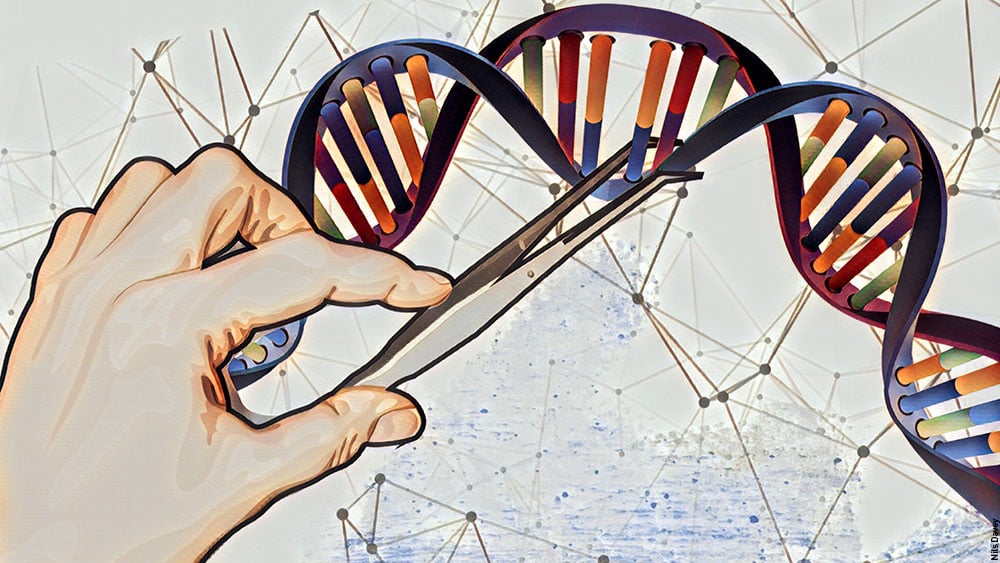
While traditional gene therapy adds a new gene to the cell without removing the broken one, Clustered Regularly Interspaced Short Palindromic Repeats (CRISPR-Cas9) allows scientists to directly edit the existing genome. Acting as programmable molecular scissors, CRISPR utilizes a guide RNA (gRNA) sequence to match a specific mutated site in the DNA sequence. Upon binding, the Cas9 enzyme creates a double-strand break. The cell’s native DNA repair mechanisms then patch the break, allowing researchers to either disrupt a harmful gene or insert a correct sequence.
3. High-Precision Base and Prime Editing
Despite its revolutionary impact, standard CRISPR-Cas9 can introduce unintended genetic rearrangements due to double-strand DNA breaks. To resolve this safety concern, next-generation biotech research relies heavily on base editing and prime editing.
Developed by David Liu’s laboratory at the Broad Institute, base editors alter a single nucleotide chemical structure without cutting the DNA backbone. This allows a direct, seamless transition from one genetic letter to another (e.g., converting a mutated C into a healthy T). Prime editing functions as a molecular search-and-replace word processor, utilizing an engineered reverse transcriptase enzyme to write new genetic sequences directly into specified genomic sites, minimizing off-target mutations.

Landmark Clinical Breakthroughs and Human Triumphs
The theoretical capabilities of biotechnology are actively manifesting as profound real-world clinical successes, changing lives across the globe.
+------------------------+-------------------------+-------------------------+
| Genetic Disease        | Innovative Technology   | Clinical Outcomes       |
+------------------------+-------------------------+-------------------------+
| Sickle Cell Anemia     | CRISPR-Cas9 / Base      | Elimination of vaso-    |
| & Beta Thalassemia     | Editing (Ex Vivo)       | occlusive crises        |
+------------------------+-------------------------+-------------------------+
| Retinal Blindness      | AAV2-Mediated Gene      | Substantial restoration |
| (LCA)                  | Augmentation Therapy    | of functional vision    |
+------------------------+-------------------------+-------------------------+
| CPS1 Deficiency        | Bespoke In Vivo Base    | Normalization of blood  |
| (Ultra-Rare Metabolic) | Editing Formulation     | ammonia; high survival  |
+------------------------+-------------------------+-------------------------+
| Huntington's Disease   | Antisense / RNA Vector  | Up to 75% reduction in  |
|                        | Repression Platforms    | neuro-degeneration      |
+------------------------+-------------------------+-------------------------+
A. Hemoglobinopathies: Ending the Sickle Cell Crisis
Sickle cell disease and beta thalassemia are debilitating disorders caused by mutations in the genes responsible for producing hemoglobin, the oxygen-carrying protein in red blood cells. Patients suffer from severe chronic pain, tissue ischemia, organ damage, and shortened lifespans.
The approval and rollout of CRISPR-based therapies like Casgevy have completely transformed this therapeutic landscape. By utilizing CRISPR-Cas9 ex vivo, scientists turn off the genomic switch (the BCL11A gene) that naturally suppresses fetal hemoglobin production after birth. Once reintroduced into the bone marrow, these modified stem cells generate red blood cells rich in fetal hemoglobin, preventing sickling entirely. Furthermore, newer clinical initiatives, such as Beam Therapeutics’ BEACON trial, are deploying base editing to achieve this molecular switch with even greater precision, yielding highly successful patient outcomes without triggering double-stranded breaks.
B. Overcoming Retinal Blindness
Leber Congenital Amaurosis (LCA) is an inherited retinal degenerative disease that causes profound blindness in early childhood due to mutations in the RPE65 gene. Through pioneering work recognized with global accolades like the Breakthrough Prize, physician-scientists Jean Bennett, Albert Maguire, and Katherine High successfully developed an AAV2-mediated gene therapy. Delivered via a delicate subretinal injection, this therapy introduces functional copies of the RPE65 gene directly to surviving retinal cells. Clinical data demonstrates dramatic visual restoration, allowing children who were once legally blind to navigate complex environments independently.
C. N-of-1 Bespoke Therapies for Ultra-Rare Conditions
One of the most remarkable frontiers in modern biotech research is the creation of hyper-personalized “therapy-for-one” interventions. A prime example is the case of Baby KJ, an infant born with carbamoyl phosphate synthetase 1 (CPS1) deficiency—an ultra-rare, life-threatening metabolic disorder that prevents the body from processing nitrogen, leading to toxic, fatal accumulations of ammonia in the blood.
An international research team rapidly designed, tested, and cleared a personalized, in vivo base-editing therapeutic tailored exclusively to KJ’s unique genetic mutation. Delivered via lipid nanoparticles (LNPs), the treatment corrected the single misspelled genetic letter within his liver cells. This historic milestone proves that biotech can pivot from broad blockbuster drug models to rapid-response, individualized genetic architecture.
Overcoming Critical Technical Hurdles
Despite these monumental victories, biotech research continues to face significant scientific hurdles. Translating successful laboratory experiments into reliable human cures requires solving complex physiological challenges.
A. Targeted In Vivo Delivery Systems
The human body is exceptionally adept at destroying foreign genetic material. If a viral vector or lipid nanoparticle is injected into the bloodstream, the immune system often neutralizes it before it reaches its destination. Furthermore, directing these genetic therapeutics to specific, deep-tissue targets—such as passing through the blood-brain barrier to treat neurological conditions—remains highly challenging.
Biotech firms are solving this by developing synthetic, tissue-specific capsids (viral shells) and novel non-viral delivery platforms like anelloviruses and advanced polymer nanoparticles.
B. Immunogenicity and High-Dose Toxicity
When high concentrations of viral vectors are administered, the patient’s immune system can trigger a massive inflammatory response. High-profile setbacks in recent clinical history, including tragic cases of liver failure in high-dose AAV trials for muscular dystrophies, have highlighted these risks.
To mitigate immunogenicity, researchers are developing transient immune-suppression protocols, engineering lower, more potent therapeutic doses, and exploring non-viral lipid nanoparticle formulations that do not trigger severe immune recognition.
C. Genomic Off-Target Effects
An ideal genetic cure must act with absolute specificity. If a gene-editing enzyme cuts or modifies DNA at an unintended genomic location (an off-target mutation), it could inadvertently disrupt vital tumor-suppressor genes, potentially triggering oncogenesis (cancer formation).
The industry is mitigating this risk by shifting away from standard CRISPR-Cas9 enzymes toward high-fidelity variants, prime editing, and epigenetic editing, which modulates gene expression without permanently altering the underlying DNA sequence.
Artificial Intelligence: The Multiplier for Biotech R&D
The integration of artificial intelligence (AI) and machine learning has accelerated the pace of biotechnological discovery, condensing decades of traditional laboratory trial-and-error into mere weeks.
A. Advanced Structural Proteomics
Platforms like AlphaFold and successor deep-learning models allow researchers to instantly predict the three-dimensional folding structures of complex proteins based solely on their amino acid sequences. In genetic research, this capability is invaluable. Scientists can model exactly how a mutated protein deforms, predict how it will interact with potential therapeutic compounds, and design optimized synthetic enzymes to correct genetic defects with flawless spatial precision.
B. AI-Guided Guide RNA and Vector Optimization
Selecting the perfect guide RNA for CRISPR or designing an optimal viral capsid requires evaluating millions of variables. AI algorithms analyze massive genomic datasets to predict which gRNA sequences will yield the highest on-target efficiency with zero off-target vulnerabilities. Additionally, AI designs entirely synthetic viral capsids that can evade pre-existing human immunity, opening the door for safe, repeatable gene therapy administrations.
Regulatory Frameworks and Commercialization Pathways
Developing a cure in a laboratory is only half the battle; navigating the complex global regulatory and commercial pipeline is an equally formidable task.
A. Evolving Regulatory Landscapes
Regulatory bodies like the U.S. Food and Drug Administration (FDA) and the European Medicines Agency (EMA) have established dedicated pathways to accelerate the evaluation of life-saving genetic therapies. Accelerated approval mechanisms, priority review designations, and specific “credibility assessment frameworks” for AI-generated data allow breakthrough therapies to reach patients years ahead of conventional timelines.
Furthermore, the FDA’s ongoing shift toward New Approach Methodologies (NAMs), such as organ-on-a-chip and in silico computer models, is steadily replacing traditional animal testing, leading to faster human clinical validation.
B. The Operational Rollout Crisis
Even when a genetic cure receives regulatory approval, commercial execution presents significant operational challenges. Unlike standard small-molecule pills manufactured in bulk, many cell and gene therapies require complex, customized logistics.
[Patient Stem Cell Extraction]
             │
             ▼
[Cryogenic Transport to Specialized Lab]
             │
             ▼
[Precision Cleanroom Genetic Editing]
             │
             ▼
[Rigorous Quality Control & Safety Assays]
             │
             ▼
[Cryogenic Return Transport to Hospital]
             │
             ▼
[Patient Conditioning & Therapeutic Infusion]
This complex workflow requires immaculate cold-chain infrastructure and close coordination between biotech manufacturers, clinical treatment centers, and specialized medical staff. The high operational costs associated with maintaining these custom manufacturing lines have occasionally forced companies to scale back or discontinue otherwise highly effective therapies due to commercial unsustainability.
Global Access and Alternative Financial Models
The most significant ethical and financial dilemma surrounding modern genetic cures is their unprecedented cost. With single-infusion therapies priced anywhere from $2 million to $4.5 million, the traditional fee-for-service healthcare model is entirely unsuited for this new era of medicine.

A. The Curative Math: Single-Infusion vs. Lifelong Palliative Care
While a $3.5 million price tag causes immediate sticker shock, health economists argue that these therapies are highly cost-effective over the long term.
Economic Case Study: Treating a single patient with severe beta thalassemia or hemophilia through lifelong blood transfusions, specialized medications, frequent hospitalizations, and lost economic productivity can easily exceed $6 million to $8 million over their lifetime. A single-infusion genetic cure eliminates these recurring costs entirely, offering substantial net savings to global healthcare systems while restoring the patient’s quality of life.
B. Amortized and Value-Based Reimbursement Strategies
To bridge the gap between high initial costs and long-term economic savings, innovative financing frameworks are emerging worldwide.
-
Annuity-Based Payment Plans: Healthcare payers distribute the cost of a gene therapy over a multi-year period (e.g., 5 to 10 years) rather than paying the entire amount upfront.
-
Outcome-Based Rebate Agreements: Biotech manufacturers enter contractual agreements where they receive full payment only if the therapy delivers sustained clinical benefits. If a patient requires a return to traditional treatments or experiences a therapeutic failure within a set timeframe, the manufacturer issues a substantial rebate to the insurer.
-
The “Netflix Model” Subscription Programs: State or national health authorities pay a flat, negotiated annual subscription fee to a biotech provider. In exchange, the provider supplies unlimited access to the genetic cure for all eligible citizens within that jurisdiction, expanding patient access while guaranteeing stable revenue for the innovator.
Conclusion
Biotechnology research has successfully unlocked the human genome, transitioning from a century of descriptive genetics into an era of active, precise genomic modification. By engineering advanced delivery systems, harnessing next-generation gene editors, and integrating artificial intelligence, scientists are systematically dismantling some of humanity’s most destructive hereditary diseases.
As the global medical sector refines its manufacturing infrastructure, adopts innovative financial models, and minimizes technical risks, these definitive one-time cures will shift from exceptional medical marvels into accessible, mainstream medical realities. The era of chronic genetic suffering is drawing to a close; the era of definitive genetic cures has arrived.