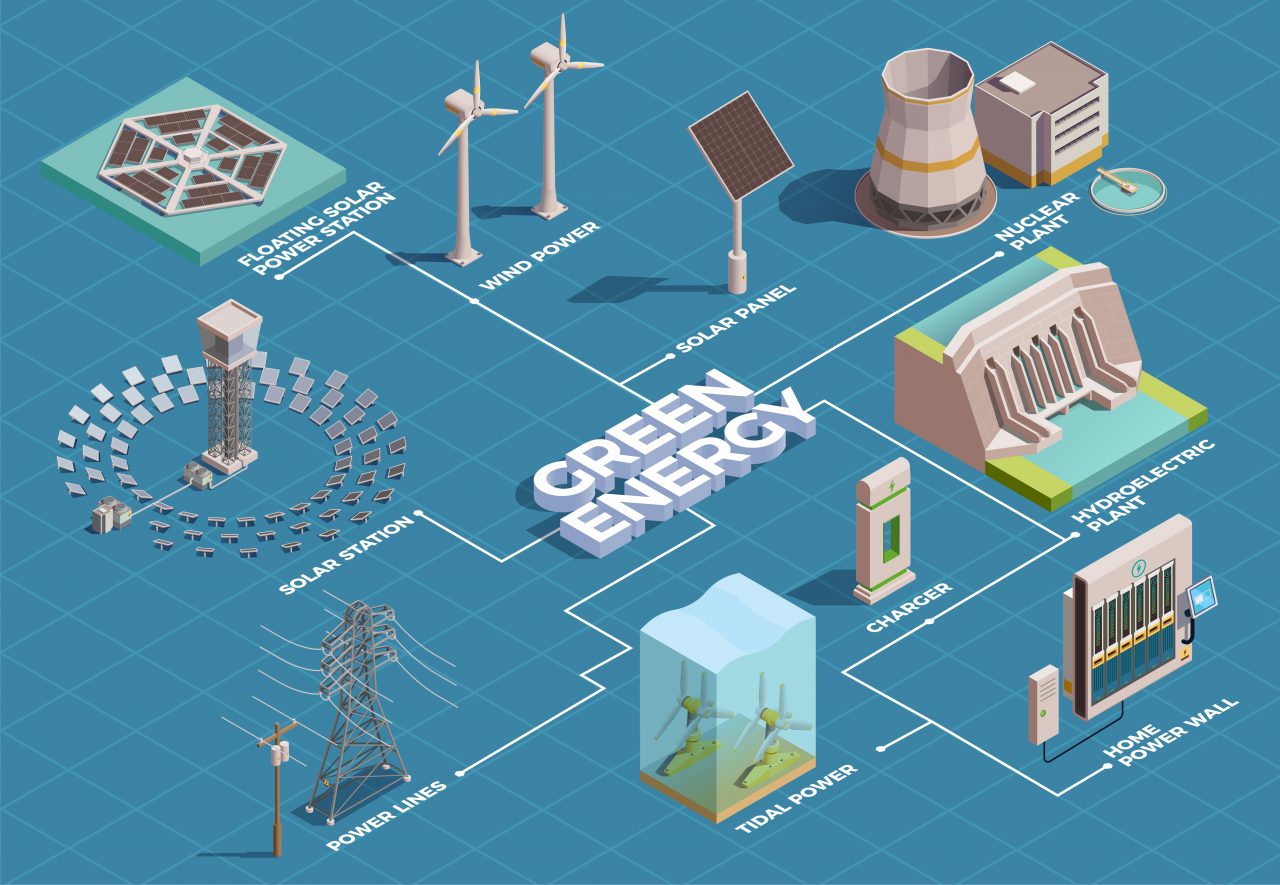
The modern world is facing an unprecedented ecological and structural turning point. For over a century, global industrial development has relied heavily on fossil fuels. This reliance has caused two major problems: rapidly disappearing natural resources and worsening climate change. As populations grow and developing economies expand, our current energy infrastructure is struggling to keep up.
Traditional energy systems are inherently limited, politically unstable, and environmentally destructive. To prevent a major economic and environmental collapse, humanity must change how it generates, distributes, and consumes power.
Green technology, often called green tech or clean tech, is the most effective solution to this crisis. This term refers to a broad collection of scientific innovations designed to reduce human impact on the environment while maintaining economic growth. Green tech shifts our focus from extracting limited resources to utilizing endless natural processes.
By upgrading our power grids and creating efficient, sustainable systems, clean tech offers a realistic way to achieve energy independence and permanent environmental recovery.
1. The Anatomy of Our Global Energy Crisis
To appreciate the value of clean tech, we must first analyze the vulnerabilities of our current energy system. The global energy crisis is not a simple problem with a single cause. Instead, it is a complex issue driven by three major systemic pressures:
The Realities of Resource Depletion
Fossil fuels like coal, oil, and natural gas are finite resources. Every barrel of oil extracted and every ton of coal burned brings humanity closer to the end of economically viable reserves.
This scarcity creates intense geopolitical friction. Nations routinely engage in political and economic conflicts to secure access to remaining fossil fuel deposits, causing massive volatility in global energy markets.
Environmental Degradation and Climate Instability
The combustion of fossil fuels releases greenhouse gases, primarily carbon dioxide ($CO_2$) and methane ($CH_4$), into the atmosphere. These gases trap heat, driving global temperature increases, severe weather events, and rising sea levels.
The economic damages from climate-related natural disasters cost hundreds of billions of dollars annually, proving that fossil fuels are no longer financially sustainable.
Outdated Electrical Grid Systems
Most national electrical grids were built decades ago, designed for a simpler era of centralized, predictable power generation. These aging networks suffer from significant transmission line losses and are highly vulnerable to extreme weather events.
They also lack the data tracking systems required to manage the fluctuating energy needs of modern digital economies.
2. Solar Energy Technologies
Solar energy remains a cornerstone of the green technology revolution. The amount of solar energy reaching the Earth’s surface in just one hour exceeds the total energy used by humanity in an entire year. Capturing this energy efficiently has been a primary goal for clean tech engineers for decades.
+-----------------------------------------------------------------+
|                    SOLAR INNOVATION TIMELINE                    |
+-----------------------------------------------------------------+
|  1st Gen: Silicon Wafers    -> High cost, standard efficiency   |
|  2nd Gen: Thin-Film Cells   -> Flexible, lower manufacturing cost|
|  3rd Gen: Perovskite Tech   -> Extreme efficiency, dual-layer   |
+-----------------------------------------------------------------+
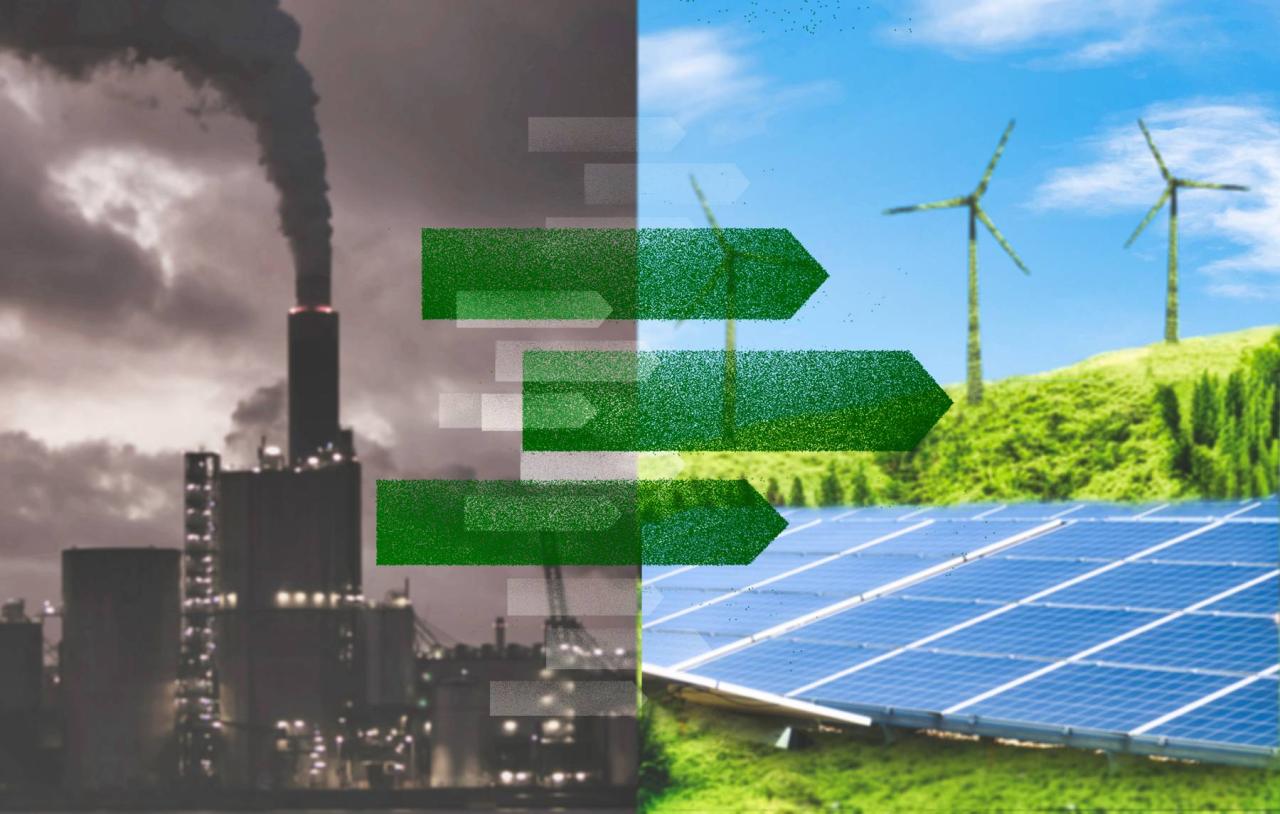
Photovoltaic Cell Advancements
Traditional solar panels rely on silicon wafers to convert sunlight directly into electricity through the photovoltaic effect. While reliable, first-generation silicon panels have a physical efficiency limit of around 29%.
To break this barrier, scientists developed Perovskite solar cells. These materials feature a unique crystalline structure that absorbs different wavelengths of light than traditional silicon.
By layering perovskites on top of standard silicon—a configuration known as a tandem solar cell—engineers can push operational efficiency past 30%, lowering the cost per watt of solar power.
Concentrated Solar Power (CSP)
Unlike standard photovoltaic panels that generate electricity directly from sunlight, Concentrated Solar Power systems use large arrays of mirrors or lenses to focus a massive area of sunlight onto a small, centralized receiver.
This concentrated light generates extreme heat, which drives a conventional steam turbine to produce electricity.
The primary advantage of CSP systems is their ability to store this thermal energy in materials like molten salt. This allows CSP plants to continue generating electricity long after the sun goes down, providing consistent power to the grid.
Floating Solar Arrays (Floatovoltaics)
Land scarcity is a common obstacle for large-scale solar farms. Floatovoltaics solves this issue by deploying solar panels on top of large bodies of water, such as industrial reservoirs, wastewater treatment ponds, or mining lakes.
This configuration offers two distinct benefits:
A. The water keeps the solar panels cool, which improves their operating efficiency.
B. The floating structures block sunlight, reducing water evaporation and slowing down harmful algae growth.
3. Wind Power Technical Breakthroughs
Wind power has evolved from a niche alternative energy source into a vital pillar of global power generation. Modern wind turbines are massive pieces of industrial art, designed using advanced aerodynamics and materials science to capture kinetic energy from moving air currents.
       [Offshore Wind Turbine Dynamics]

                 O  <- Rotor Hub (High Altitude)
                /|\
               / | \ <- Aerodynamic Carbon-Fiber Blades
              /  |  \
                 |
                 |  <- High-Tensile Steel Monopile
                 |
  ~~~~~~~~~~~~~~~|~~~~~~~~~~~~~~~~~~~~~~~~~~~~~~~~~ [Sea Level]
                 |
                 X  <- Deep-Water Floating Anchor
Advanced Aerodynamics and Materials
The amount of energy a wind turbine can harvest is directly tied to the size of its rotor blades. Modern clean tech relies on carbon-fiber composites to manufacture light, strong blades that can exceed 100 meters in length.
These blades use sophisticated aerodynamic shapes that allow them to spin and generate power even in very low wind speeds.
Offshore and Floating Wind Farms
Winds over open water are significantly stronger and more consistent than those on land. Offshore wind farms utilize these marine air currents by placing massive turbines directly into coastal waters.
In deeper waters where traditional steel foundations cannot reach the seabed, engineers deploy floating wind turbines. These units are anchored to the ocean floor using high-tensile cables, opening up vast areas of deep ocean for clean power generation.
Airborne Wind Energy (AWE) Systems
Airborne Wind Energy systems completely eliminate the need for heavy steel towers. Instead, they use autonomous tethered kites or airborne drones to harvest strong, steady winds found at high altitudes.
As these kites fly in automated patterns, they pull against a ground-based winch system that turns a generator, creating electricity with a fraction of the raw materials required by traditional wind turbines.
4. Next-Generation Energy Storage Solutions
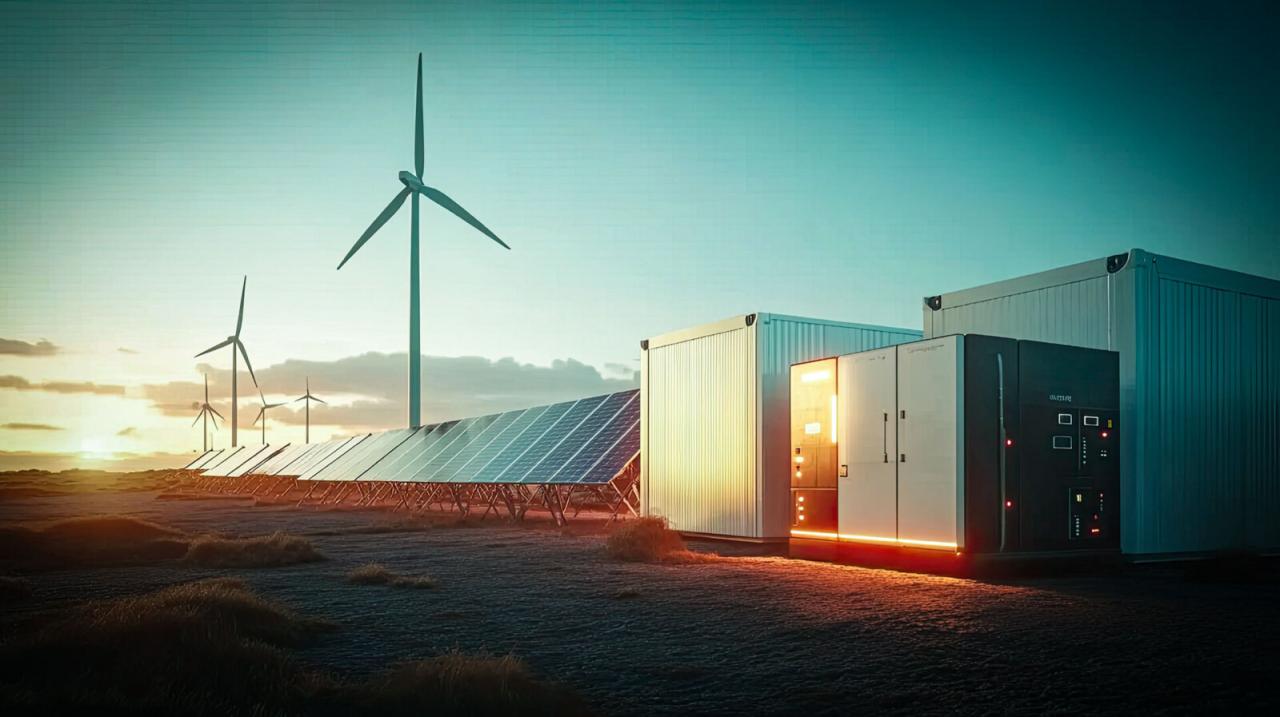
The intermittent nature of renewable energy sources like wind and solar is a significant engineering challenge. The sun does not always shine, and the wind does not always blow, which can lead to unpredictable power generation.
To maintain a reliable electrical grid, we must implement advanced energy storage technologies that save excess power for later use.
+-----------------------------------------------------------------+
|                   ENERGY STORAGE CHARACTERISTICS                |
+-----------------------------------------------------------------+
| Battery Type       | Energy Density | Lifecycles | Safety Risk  |
+--------------------+----------------+------------+--------------+
| Lithium-Ion        | High           | Moderate   | Thermal Run. |
| Solid-State        | Ultra-High     | Very High  | Minimal      |
| Vanadium Flow      | Low            | Near-Inf.  | Non-Flam.    |
+-----------------------------------------------------------------+
The Transition to Solid-State Batteries
Lithium-ion batteries are currently the standard for portable electronics and electric vehicles. However, they rely on liquid electrolytes, which are flammable and degrade over time.
Solid-state batteries replace this liquid with a solid ceramic or polymer material. This design change yields three important improvements:
A. It eliminates the risk of fires caused by short circuits.
B. It significantly increases energy density, allowing more power to be stored in a smaller space.
C. It extends the total operational lifespan of the battery system.
Large-Scale Flow Batteries
For grid-scale energy storage, vanadium redox flow batteries are an ideal choice. These systems store chemical energy in two large tanks of liquid electrolyte solutions separated by a specialized membrane.
Unlike lithium batteries, flow batteries can be charged and discharged indefinitely without losing capacity.
They can scale up easily simply by building larger liquid storage tanks, making them an excellent option for storing days’ worth of energy for cities.
Mechanical and Thermal Energy Storage
Mechanical storage methods use basic physics to store energy without relying on complex chemistry. Pumped-storage hydropower, for example, uses excess electricity to pump water up into a high reservoir. When demand spikes, this water is released downward through a turbine to generate power.
Similarly, compressed air energy storage systems use extra electricity to pump high-pressure air into deep underground caverns. When the grid needs more power, this air is released to spin a generator.
5. Smart Grids and AI Optimization
Deploying renewable energy is only half the battle; we also need to transport that power to consumers efficiently. Modern clean tech uses artificial intelligence and real-time data tracking to transform old electrical grids into smart grids.
[Renewable Sources] + [Storage Systems]
        \                   /
         \                 /
      [AI Smart Grid Management Core]
         /                 \
        /                   \
[Industrial Centers]  [Residential Zones]
Artificial Intelligence in Power Management
Smart grids use AI algorithms to process massive amounts of data from weather forecasts, industrial usage tracking, and historical consumption habits.
By analyzing this data, the AI can predict upcoming energy demand spikes and automatically adjust power distribution.
This real-time management reduces the need for “peaker plants”—inefficient fossil fuel plants that are normally kept on standby just to handle sudden jumps in electricity use.
Decentralized Microgrids and Blockchain Technology
A microgrid is a localized, independent energy network that can operate separately from the main national grid. These local networks typically connect neighborhood solar panels, small wind turbines, and local battery storage systems.
To manage power sales within a microgrid, operators often use blockchain technology. This secure ledger allows neighbors to buy and sell excess solar energy directly to one another via automated smart contracts, keeping energy costs low and reducing strain on the primary grid.
6. Sustainable Alternative Fuels
While electrification is an excellent solution for passenger cars and residential heating, some industries—like commercial aviation, heavy shipping, and steel manufacturing—require intense heat and energy densities that current batteries simply cannot provide. These sectors require clean alternative fuels.
The Green Hydrogen Economy
Hydrogen gas burns hot and produces only pure water vapor as a byproduct. However, most industrial hydrogen is currently produced from natural gas, which releases significant carbon emissions.
Green hydrogen solves this issue by using clean electricity from wind or solar farms to power an electrolyzer. This device splits ordinary water ($H_2O$) into pure hydrogen and oxygen gases without any carbon emissions.
The captured green hydrogen can then be stored, transported, and used as a clean fuel for heavy industry.
Advanced Biofuels and Synthetic E-Fuels
First-generation biofuels made from food crops like corn or sugarcane take up valuable agricultural land. Third-generation biofuels avoid this problem by using fast-growing algae cultivated in industrial ponds or non-arable land.
These algae produce natural oils that can be refined directly into sustainable aviation fuel or clean diesel.
Additionally, engineers are working on synthetic e-fuels. These are made by combining captured atmospheric carbon dioxide with green hydrogen, creating a drop-in replacement for gasoline that works in standard engines without adding new carbon to the atmosphere.
7. Geothermal and Marine Energy Innovations
Beyond wind and solar, the Earth offers deep reservoirs of steady thermal and kinetic energy. Green technology is unlocking these reliable resources to provide consistent, baseline power to our global grid.
Enhanced Geothermal Systems (EGS)
Traditional geothermal power plants must be built near natural tectonic fault lines where hot rocks and water are naturally close to the surface. Enhanced Geothermal Systems break this geographic limitation.
EGS projects drill deep into the Earth’s crust to reach hot, dry granite formations. Operators then inject high-pressure water down into the rock, creating deep artificial fractures.
The water flows through these hot fractures, absorbs the heat, and returns to the surface as steam to drive power-generating turbines. This technique allows geothermal energy to be harvested almost anywhere on Earth.
Harvesting Marine Kinetic Energy
The world’s oceans are in constant motion, containing immense amounts of kinetic energy. Marine green tech captures this energy through two main methods:
A. Tidal Stream Generators: These underwater turbines function like submerged wind turbines, driven by the reliable movement of ocean tides caused by gravitational forces.
B. Wave Energy Converters: These floating structures are placed on the ocean surface to harvest the mechanical energy of rising and falling waves, converting that movement into electricity.
8. Overcoming Obstacles to Widespread Clean Tech Adoption
The potential of green tech is undeniable, but its global rollout faces several significant financial, political, and material challenges.
High Initial Capital Cost
Building large-scale solar arrays, offshore wind farms, and deep geothermal wells requires significant upfront funding.
Even though green tech systems are much cheaper to run over time because their “fuel” (sunlight and wind) is completely free, the initial construction costs can deter conservative investors and developing nations.
Overcoming this hurdle requires supportive government policies, such as carbon taxes on fossil fuels and targeted tax incentives for clean tech installations.
Supply Chain and Rare Material Bottlenecks
Modern green technologies require specific raw materials. Solar panels rely on high-purity silicon, wind turbine magnets require rare earth elements like neodymium, and large batteries demand steady supplies of lithium, cobalt, and nickel.
Mining these materials can cause local environmental damage and often relies on complex, fragile global supply chains.
To address this vulnerability, green tech companies are investing heavily in recycling programs to harvest valuable metals from old electronics and developing alternative designs that use more common materials.
Conclusion
The global energy crisis presents a major threat to modern society, but it also offers a unique opportunity for industrial reinvention. Green technology is no longer a luxury or an idealistic concept; it is a practical and necessary framework for our future.
By utilizing solar, wind, advanced storage, and smart grid systems, clean tech can replace our aging fossil fuel infrastructure with a decentralized, reliable, and non-polluting energy network.
Transitioning to a green tech economy requires cooperation across scientific, financial, and political sectors. As manufacturing costs continue to fall and clean technologies become more efficient, the economic advantages of sustainability are becoming clear.
By embracing these innovations, humanity can resolve the energy crisis and build a balanced relationship with the natural world that ensures prosperity for generations to come.