
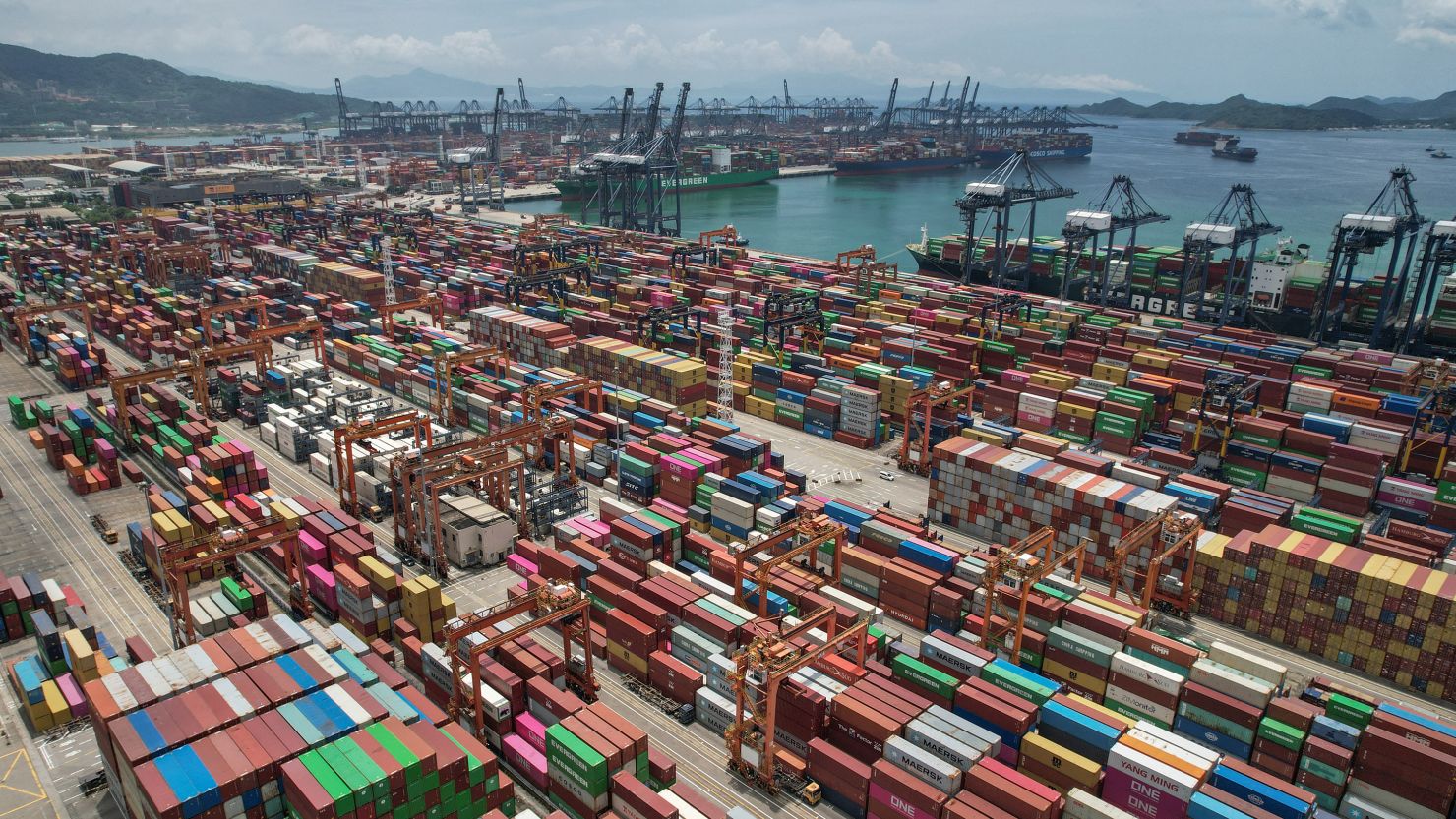
The landscape of international commerce is undergoing an unprecedented structural transformation. What began as a series of isolated protectionist measures has rapidly evolved into a comprehensive, volatile global tariff ecosystem. Governments worldwide are shifting away from decades-old multilateral trade agreements in favor of strict bilateral negotiations, aggressive trade barriers, and national security mandates.
These new trade tariffs do not merely represent minor price increases for imported goods. Instead, they are completely rewriting the rules of global supply chains, forcing corporations to abandon traditional lean manufacturing frameworks, and fundamentally reshaping consumer behavior. From the sudden elimination of long-standing digital trade exemptions to punitive duties placed on critical industrial materials, the modern business environment is facing a massive, asymmetrical reality. To survive, enterprises must understand how these complex regulations alter the flow of international wealth.
1. The Death of De Minimis and E-Commerce Upheaval
For years, the global e-commerce boom relied heavily on administrative legal exemptions that allowed low-value shipments to cross borders duty-free. The most notable example was the United States’ $800 de minimis threshold, which permitted direct-to-consumer platforms to bypass intensive customs inspections and formal entry fees. This exemption allowed digital supply chains to achieve near-frictionless cross-border logistics.
However, regulatory bodies have indefinitely suspended these broad exemptions for merchandise arriving through non-postal commercial networks. The justification rests on several key points:
A. The exponential volume of low-value packages has thoroughly overwhelmed customs authorities, making it incredibly difficult to prevent the importation of illicit goods and counterfeit products. B. High volumes of uncollected duties have severely impacted national revenues, prompting governments to demand strict fiscal accountability. C. Manifest data supplied by bulk shippers is frequently deemed too vague, preventing border protection agencies from verifying the ultimate destination, the true financial value, or the original entity causing the shipment to cross the border.
As a direct consequence, every low-value commercial shipment must now undergo formal or informal customs entry procedures. This policy pivot hits digital mega-platforms particularly hard, instantly injecting substantial compliance costs and delivery delays into business models that previously thrived on speed and rock-bottom pricing. Shipping lines must now implement specialized automated tracking systems to feed precise data directly into customs infrastructure, or face catastrophic gridlock at major ports of entry.
2. Structural Realignment of Critical Manufacturing Sectors
Modern tariff frameworks increasingly weaponize import duties to force the relocation of critical supply chains. Rather than applying flat taxes across all categories, policymakers are deploying targeted, escalating tariff schedules designed to incentivize domestic manufacturing and punitive penalties for regional dependencies.
The primary sectors catching the brunt of this structural pressure include:
A. Pharmaceuticals and Medical Ingredients: Governments have instituted dramatic ad valorem duties on patented pharmaceuticals and active pharmaceutical ingredients (APIs). To escape a devastating 100% duty rate, multinational pharmaceutical firms must actively onshore their production lines. Firms that demonstrate a verified commitment to domestic manufacturing are granted a temporary lower-tier duty rate of 20%, which is structured to scale up drastically if local production milestones are missed. B. Automotives and Advanced Electronics: Automotive supply chains are facing global baseline tariffs under national security provisions. Tariffs now apply heavily to fully assembled vehicles and secondary components alike. The only viable path to exemption involves satisfying restrictive origin rules, such as verifying that automated electronics do not rely on intellectual property or manufacturing lines located within heavily sanctioned nations. C. Industrial Metals and Advanced Derivatives: The calculation of tariffs on industrial metals has shifted radically. Previous frameworks calculated duties based strictly on raw metal content, but new policies levy substantial tariffs on the full customs value of products primarily composed of aluminum, copper, and steel. To mitigate this burden, international manufacturers are actively searching for loopholes, such as producing items in countries that qualify for preferential treatment by utilizing a high percentage of domestically processed metals.
3. The Collapse of Multilateralism and the Rise of Bifurcated Trade
The global trading system is fracturing into distinct, frequently isolated economic blocs. The traditional reliance on the World Trade Organization (WTO) as an impartial arbiter of trade disputes has effectively eroded. In its place, international commerce is dictated by aggressive bilateral negotiations where access to major consumer markets is leveraged as a political bargaining chip.
This fracturing has created a highly unpredictable environment characterized by rapid escalations and retaliatory cycles:
A. Asymmetrical Trade Pressures: When a major economy enacts sweeping import surcharges, it creates intense downward pressure on foreign manufacturing partners. Because many affected nations lack the domestic market capacity to absorb their own industrial output, they are forced to either accept diminished margins to maintain market access or rapidly reroute their goods to alternate destinations. B. Retaliatory Tariff Matrices: In response to unilateral trade barriers, affected jurisdictions routinely implement targeted retaliatory surcharges. These counter-tariffs deliberately target highly sensitive agricultural goods, energy exports like liquefied natural gas, and heavy machinery, ensuring that the economic pain of a trade dispute is distributed widely across the initiating country’s domestic political base. C. Plurilateral Exemptions and Strategic Alliances: To navigate this volatility, certain regions are bypassing global frameworks entirely to construct exclusive free trade agreements. A prime example is the historic trade alignment between the European Union and India, which systematically eliminates or reduces tariffs on over 90% of bilateral goods. These agreements provide participating economies with a vital cushion against unilateral shocks, though they simultaneously isolate non-participating nations.

4. Operational Risk, Finance, and Supply Chain Redundancy
For decades, corporate supply chain management focused exclusively on cost optimization through “just-in-time” inventory models. Companies sourced parts from wherever labor and materials were cheapest, assuming that cross-border logistics would remain reliable, cheap, and predictable. New trade tariffs have completely shattered this assumption, turning trade policy into a primary driver of operational risk.
Corporate leadership must now navigate a highly volatile operational environment by reallocating resources toward defensive supply chain architectures:
A. Supply Chain Nearshoring and Friendshoring: Rather than relying on concentrated manufacturing hubs in Asia, corporations are aggressively diversifying their footprints. This involves migrating production to neighboring countries (nearshoring) or politically aligned nations (friendshoring). While this transition demands massive upfront capital expenditure, it builds a critical layer of defense against sudden regulatory shifts. B. Escalating Financing and Insurance Costs: The inherent unpredictability of modern trade policy has caught the attention of global financiers and insurers. Political risk analytics show that rising trade barriers are now viewed as the single most challenging geopolitical trend for multinational corporations. Consequently, securing trade finance and supply chain insurance for cross-border operations has become significantly more expensive, as financial institutions bake a “tariff volatility premium” into their lending models. C. Regulatory Compliance and Legal Uncertainty: The legal basis for many newly imposed tariffs remains subject to intense litigation in international and domestic courts. When specific executive mandates are struck down or altered by judicial rulings, it leaves importers in a state of administrative limbo. Managing the complex tracking of potential tariff refunds, retroactive duties, and shifting customs classification updates requires a massive investment in legal and compliance infrastructure.
5. Macroeconomic Ramifications and Consumer Impact
The macroeconomic consequences of these shifting tariff regimes are felt deeply throughout the global economy. While the stated goal of protectionist tariffs is often to safeguard domestic industries and preserve blue-collar jobs, the practical economic reality is highly complex, frequently resulting in unintended systemic distortions.
The broad macroeconomic impacts can be categorized as follows:
A. Persistent Inflationary Surcharges: Tariffs are, fundamentally, a tax levied directly on domestic importers. When an importing business faces an unexpected 25% or 50% surcharge at the border, it rarely absorbs that cost entirely out of its profit margins. Instead, those costs are systematically passed down through the supply chain, manifesting as higher retail prices for everyday consumers and increased material costs for domestic manufacturers who rely on imported inputs. B. Suppressed Capital Investment: The sheer velocity of modern tariff changes has created an environment of structural uncertainty. When corporate leadership cannot accurately predict what their raw material costs or market access rules will look like in eighteen months, they naturally delay major capital investments. This widespread hesitation slows down long-term economic growth, as companies hoard cash or prioritize short-term supply chain patches over true industrial innovation. C. Distortion of Currency and Capital Flows: Aggressive tariff regimes heavily influence global currency valuations. When a dominant economy threatens universal import surcharges, it often triggers a flight to safety, strengthening its domestic currency. A highly valued currency makes that nation’s own exports significantly more expensive on the global stage, ironically undermining the very export-driven domestic industries that the protectionist tariffs were originally implemented to protect.
6. Navigating the New Era of Fractured Commerce
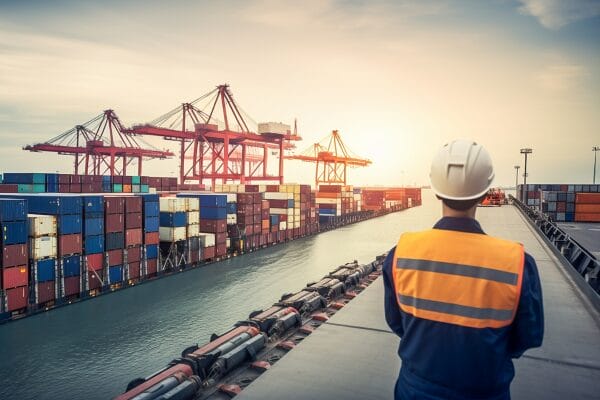
The era of hyper-globalization is officially over, replaced by a highly complex, fragmented trading system that demands a fundamental paradigm shift from global business leaders. Companies can no longer treat trade policy as a secondary compliance issue managed exclusively by logistics departments. Today, tariff navigation must be elevated to a core component of corporate strategy.
To maintain profitability and operational continuity in this challenging environment, enterprises must take several proactive measures:
A. Implement Dynamic Tariff Modeling: Businesses must move away from static financial forecasting. Strategy teams should continuously run simulation models that test the financial viability of their supply chains against sudden 10% to 50% tariff hikes across various jurisdictions. Developing predefined operational playbooks for specific trade scenarios allows organizations to pivot instantly when a new executive order or customs ruling drops. B. Invest heavily in Trade Compliance Technology: Manually tracking shifting tariff schedules, country-of-origin rules, and customs classifications across dozens of markets is no longer feasible. Forward-thinking companies are deploying advanced enterprise resource planning (ERP) software equipped with automated trade compliance modules. These systems utilize real-time data feeds to instantly calculate the exact total landed cost of goods, helping procurement teams make optimal sourcing decisions on the fly. C. Cultivate Deep Institutional Agility: The ultimate competitive advantage in a fractured trade environment is flexibility. Companies must consciously design their production processes to handle flexible components and alternative raw materials. By establishing pre-vetted relationships with backup suppliers across multiple distinct trade blocs, an enterprise can rapidly shift its procurement focus the moment a particular trade corridor becomes economically unviable due to protectionist policies.
Ultimately, the new trade tariffs are doing far more than altering commerce—they are setting a completely new baseline for global economic survival. While these sweeping changes present severe risks to rigid, unyielding supply chains, they simultaneously offer massive opportunities for agile, well-prepared enterprises that can swiftly navigate the complex regulatory maze of the modern world.